

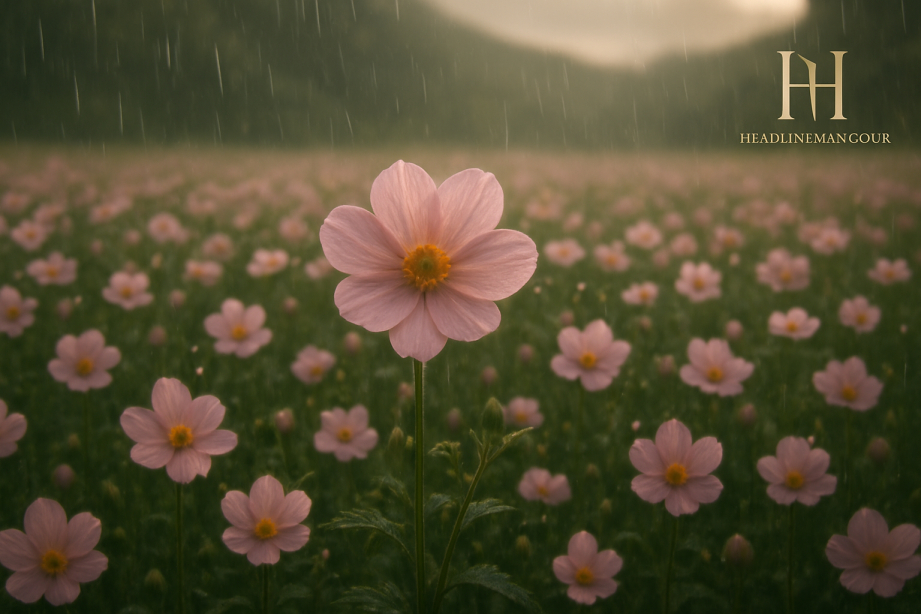
In the secluded corners of untouched landscapes, there exists a bloom of rare subtlety: the Boylecheloid. Unlike flowers that announce themselves with bright colors or bold forms, this plant captivates through gentle petals, soft colors, and a peaceful shape that draws the eye slowly. Its presence exudes calm and serenity, making it a quiet marvel of nature. In this article, we will explore the Boylecheloid’s habitat, structure, symbol / symbolism, and influence on art, culture, and creativity.
1. Opening Overview: Gentle Beauty in Nature
The Boylecheloid is the type of flower that encourages reflection. Its appearance is understated yet elegant, with soft tones and flowing patterns that blend naturally into its surroundings. Its muted palette and delicate lines make it a perfect example of how subtle beauty can create strong impressions. For those who encounter it, the flower embodies calmness and encourages mindfulness.
2. Discovery in Hidden Valleys
This flower is primarily found in isolated valleys, far from bustling human activity. These secluded areas provide the perfect environment for it to thrive: fresh air, nutrient-rich soil, and minimal disturbance. Travelers and botanists describe the landscape as serene, amplifying the mysterious charm of the flower. Its rare appearances in such untouched regions enhance its mystique and deepen its connection to the natural world.
3. Anatomy of the Boylecheloid
The petals of the Boylecheloid are elegantly shaped, sometimes curling into spirals or layering in soft waves. Its shape is organic, flowing, and balanced, giving each bloom a unique character. Patterns formed on the petals interact with light, creating subtle highlights and shadow effects. Its colors range from soft lavender and pale cream to muted yellow and gentle blue, harmonizing effortlessly with the surrounding greenery. The tactile softness of the petals adds to the sensory charm of the flower.
4. Cultural Interpretation and Symbolism
In many traditions, the Boylecheloid represents peace, calm, and inner resilience. Its quiet demeanor is associated with gentle strength, patience, and mindfulness. Communities often view it as a symbol of harmony — a reminder that enduring strength can coexist with delicacy. Through its understated beauty, it becomes a natural emblem of subtlety, reflecting life’s quieter, meaningful moments.
5. Folklore, Tales, and Creative Stories
Legends about the Boylecheloid abound, reinforcing its mysterious reputation. Stories describe the flower as a protector of travelers or a bloom that carries memories of loved ones. Some tales suggest it only appears to those who approach life with sincerity and care. Writers, poets, and storytellers have long used the flower as inspiration, integrating it into stories that celebrate imagination, wonder, and the beauty of the unseen.
6. Influence on Art, Culture, and Creativity
The delicate design of the Boylecheloid inspires artists across mediums. Painters capture its flowing patterns and soft colors, while textile designers transform its forms into embroidery and prints. Its influence in culture extends to modern décor, jewelry, and symbolic crafts, where its shape conveys elegance and tranquility. The flower sparks creativity, offering an example of how nature’s subtle rhythms can inspire human innovation.
7. Presence in Gardens and Modern Design
While uncommon, the Boylecheloid finds a home in select gardens, where it serves as a focal point of serenity. Its natural patterns influence contemporary design: home décor, wallpapers, and furniture can incorporate its lines for a peaceful aesthetic. Architects sometimes borrow its flowing shape for curved structures or garden layouts, emphasizing natural harmony and balance. The flower’s presence reminds us that even in design, soft beauty can hold significant power.
8. The Emotional Aura: Peaceful and Gentle
The emotional impact of the Boylecheloid is profound. Its gentle presence and muted colors evoke calm, making spaces feel more serene. Observers often describe a quiet emotional lift when standing near clusters of blooms. In spiritual or meditation settings, the flower enhances focus, serenity, and mindfulness. Its soft demeanor reinforces the idea that peace can be found in gentle, understated forms.
9. The Flower as a Symbol of Resilience
Though visually delicate, the Boylecheloid embodies strong resilience. It thrives in challenging environments, from fluctuating valley climates to unpredictable weather, demonstrating that survival does not require loud displays of force. Its endurance parallels human experiences, teaching lessons about inner strength and persistence. Even in adversity, this rare flower flourishes quietly, a living symbol of adaptability and courage.
10. Final Thoughts
The Boylecheloid is more than a botanical curiosity. Its unique appearance, tranquil presence, and influence on art, culture, and imagination make it a profound symbol of life’s quieter treasures. By blending beauty, resilience, and peace, it reminds us of the simple joys found in nature and creative expression. Observing or imagining this flower encourages reflection, fosters mindfulness, and inspires creativity across all aspects of life.
FAQs About the Boylecheloid Flower
Q1: Is the Boylecheloid a real flower?
A: It exists in remote areas and in folklore-inspired descriptions, blending real and imaginative elements.
Q2: What does the Boylecheloid look like?
A: It has soft petals, gentle colors, and flowing shapes, often described in muted pastel tones.
Q3: Where does it grow?
A: In isolated valleys and sheltered areas with mineral-rich soil and minimal disturbance.
Q4: What does the Boylecheloid symbolize?
A: Peace, resilience, strength, and gentle beauty.
Q5: Can it inspire art and design?
A: Yes, its patterns and shape are frequently used in painting, textiles, architecture, and creative projects.
Q6: How does it affect emotions?
A: Its soft, calming appearance brings a sense of peace and serenity to those nearby.
Also Read Another Blog: Drivingmadio Do a Barrel Roll 2 Times

[…] Also Read Another Topic: Boylecheloid Flower […]