

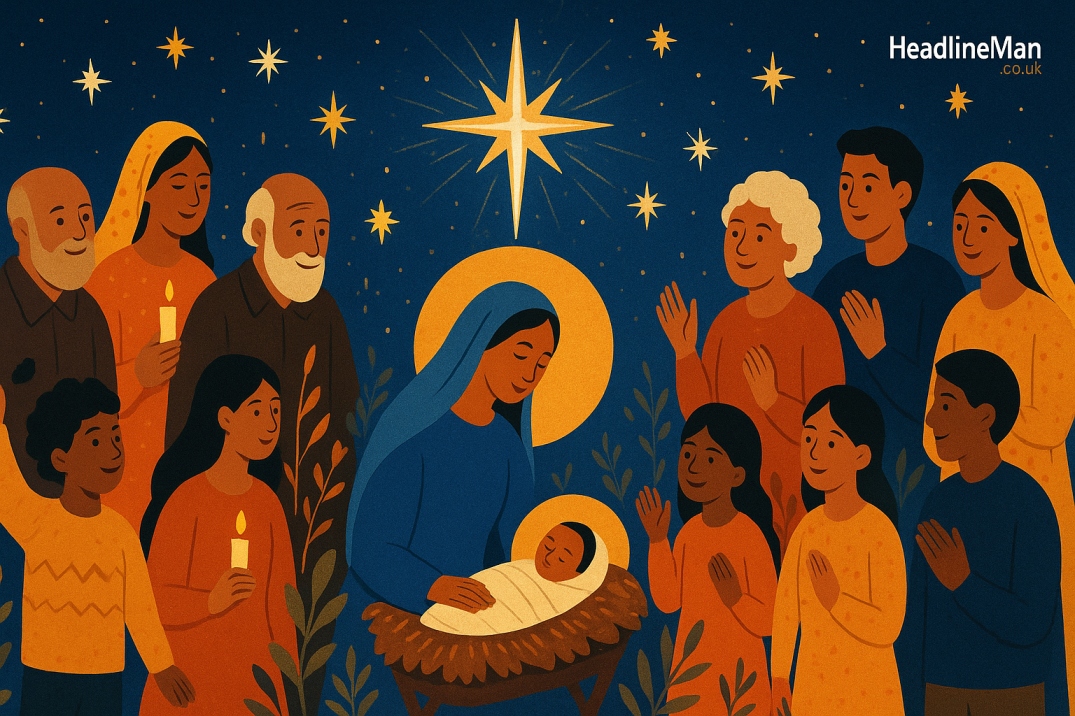
The concept of Nativität carries profound meaning, originating from the Latin word nativitas, which translates to “birth” or “origin.” It is more than a linguistic term; it reflects the essence of beginnings, creation, and existence itself. While often associated with the birth of Jesus Christ in Christian theology, its significance extends across art, philosophy, astrology, literature, psychology, and culture.
At its core, Nativität is about the moment something new enters the world, whether a child, an idea, a movement, or a spiritual awakening. It represents hope, renewal, and the potential for transformation, connecting the tangible and intangible, the physical and spiritual.
This article explores Nativität in depth, examining its historical origins, religious and spiritual significance, artistic and literary interpretations, cultural celebrations, modern perspectives, and universal lessons. By the end, readers will understand why this concept remains relevant across centuries and cultures.
Origins and Etymology of Nativität
The word Nativität derives from the Latin nativitas, rooted in natus, meaning “born.” This root has influenced words across languages, including nativity, native, and nature. In German, Nativität retains classical resonance, often appearing in academic, religious, and artistic contexts.
In English, nativity is commonly associated with the birth of Christ, while in German, Nativität has a broader application. It can refer to any significant birth, origin, or beginning, both literal and symbolic. For example:
-
Biological birth – The arrival of a child.
-
Cultural origin – The beginning of a tradition or movement.
-
Spiritual awakening – The birth of consciousness, ideas, or moral understanding.
By connecting human life’s beginnings with larger ideas of creation, origin, and destiny, Nativität reflects humanity’s timeless fascination with the moment of emergence.
Everything You Need to Know About Nativität
| Category | What It Means | Why It Matters / Key Insights | Examples / Notes |
| Definition | Refers to birth, origin, or beginning, both physical and symbolic. | Shows the start of life, ideas, or spiritual awakening. | Latin nativitas → “born”; German usage covers all types of significant beginnings. |
| Religious Importance | Represents divine or sacred birth in spiritual traditions. | Represents faith, renewal, and the influence of the divine. | Christ’s nativity, the emergence of Buddha and Krishna, and metaphorical rebirths in various spiritual practices. |
| Artistic Representation | Inspiration for paintings, sculptures, and decorations depicting birth or creation. | Communicates divine light, purity, and human connection visually. | Renaissance: Giotto; Baroque: Caravaggio; Modern: abstract nativity art. |
| Astrology / Natal Charts | The exact moment of birth is mapped in astrology to reveal personality and destiny. | Believed to influence character, life path, and potential. | Babylonian horoscopes; Roman natal charts; Indian Vedic astrology. |
| Philosophy & Literature | Birth as a metaphor for awareness, transformation, and creation. | Helps explore identity, consciousness, and renewal. | Goethe: nature’s creative force; Rilke: spiritual rebirth. |
| Cultural Celebrations | Traditions and festivals honoring birth or new beginnings. | Connects communities, strengthens family and cultural bonds. | Germany: Christmas markets, Advent calendars; Spain: La Nochebuena; USA: nativity displays; Italy: Presepe. |
| Psychological Meaning | Represents personal growth, inner awakening, or transformation. | Encourages self-awareness and reflection. | Reconnecting with inner child, life transitions, recovery, or spiritual enlightenment. |
| Ecological Significance | Relates to native species and natural origins in the environment. | Promotes biodiversity, sustainability, and ecosystem balance. | Planting native trees, preserving wildlife habitats. |
| Digital / Modern Life | Refers to people born into technology or digital culture. | Shapes identity, communication skills, and creativity in a digital world. | Digital natives, social media fluency, hybrid online-offline experiences. |
| Symbolic Rebirth | Any moment of new beginnings or personal transformation. | Marks life milestones, creative discoveries, or spiritual awakenings. | Parenthood, career change, creative pursuits, spiritual practices. |
| Key Takeaways / Lessons | Nativität teaches humility, hope, unity, and the value of beginnings. | Encourages reflection, growth, and appreciation of life’s cycles. | Birth is both literal and metaphorical; every beginning carries potential. |
Religious Significance of Nativität
Religious traditions have long honored sacred births, seeing them as moments of divine intervention and spiritual significance.
The Nativity of Christ
The most recognized form of Nativität is the birth of Jesus Christ, celebrated in Christianity worldwide. The event is a symbol of hope, salvation, and divine love, marking the incarnation of God into the human world.
Key elements of this story include:
-
Jesus: Representing divine incarnation and redemption.
-
Mary: Symbolizing purity, devotion, and motherhood.
-
Joseph: Embodying protection, guidance, and faithfulness.
-
The Star: Serving as guidance and divine revelation.
-
Shepherds: Representing humanity as witnesses to sacred events.
-
The Magi: Exemplifying wisdom, diversity, and spiritual seeking.
Artists have captured these elements for centuries. From medieval altarpieces to Baroque masterpieces by Albrecht Dürer and Lucas Cranach the Elder, sacred birth scenes combine humility, divine grace, and local cultural identity.
Broader Spiritual Interpretations
Sacred birth concepts exist in multiple religious and spiritual traditions:
-
Hinduism: The birth of Krishna represents divine presence and cosmic order.
-
Buddhism: The birth of Buddha symbolizes spiritual awakening and enlightenment.
-
Paganism and Mythology: Sacred births often represent cosmic cycles, regeneration, and life’s continuity.
Across cultures, Nativität signifies not only physical birth but the universal potential inherent in every new beginning.
Artistic Representations of Nativität
Throughout history, Nativität has inspired countless works of art. Artists have explored birth, creation, and divine presence, creating enduring symbols across eras.
Symbolism in Art
In sacred birth scenes, certain elements carry symbolic weight:
-
Light: Represents hope, divine illumination, and spiritual revelation.
-
The Star: Serves as a guide, signifying destiny and cosmic alignment.
-
Manger Scenes: Emphasize humility, simplicity, and universality.
German and European artists often integrated local landscapes, architecture, and clothing, creating a sense of familiarity and cultural connection.
Artistic Influence Across Periods
-
Renaissance: Emphasis on realism and emotional depth (e.g., Giotto’s frescoes).
-
Baroque: Dramatic light and shadow to convey spiritual intensity (e.g., Caravaggio).
-
Modern and Contemporary Art: Abstract and symbolic depictions connect sacred birth to modern issues like migration, identity, and environmental concerns.
Through art, Nativität remains a symbol of divine-human connection and the transformative power of beginnings.
Nativität in Astrology
In astrology, Nativität refers to the natal chart or horoscope, representing the exact alignment of planets at the moment of a person’s birth.
Understanding the Birth Chart
A natal chart can reveal:
-
Personality traits and potential.
-
Challenges, strengths, and opportunities in life.
-
Destiny and life paths aligned with cosmic forces.
Ancient civilizations, including the Babylonians, Romans, and Indian Vedic scholars, studied planetary positions to understand fate and identity. Astrology emphasizes that birth is not only biological but a cosmic event with profound implications.
Spiritual and Symbolic Significance
-
Planets and stars: Represent different energies influencing personality and destiny.
-
Cosmic alignment: Suggests that our lives are connected to universal cycles from birth.
-
Self-awareness: Studying one’s birth chart can foster personal growth and reflection.
Philosophical and Literary Dimensions
Sacred birth has also been a powerful metaphor in philosophy and literature, representing creation, transformation, and identity.
Birth as a Metaphor
-
Existential awakening: Recognizing individuality and consciousness.
-
Spiritual rebirth: Renewal following struggle or transformation.
-
Intellectual awakening: The genesis of ideas, creativity, and morality.
Literary Interpretations
In German literature, authors like Goethe explored the creative power of nature, while Rilke reflected on spiritual rebirth and inner transformation. Sacred birth serves as a metaphor for life’s mysteries and human potential.
Cultural Celebrations Around the World
The celebration of sacred birth is a global phenomenon, reflecting community, heritage, and familial bonds.
Europe
-
Germany: Christmas markets, Advent calendars, and St. Nicholas Day foster community joy and anticipation.
-
Norway: Julbord feasts and the Yule Goat combine ancient pagan symbols with holiday celebrations.
-
Spain: La Nochebuena and Los Reyes Magos emphasize family, gifts, and midnight masses.
-
Italy: Elaborate presepe scenes with handcrafted figurines.
-
France: Santons de Provence, depicting villagers in nativity settings, celebrate local traditions.
North America
-
United States: Nativity displays and holiday parades create communal engagement.
-
Canada: The Feast of the Seven Fishes and winter festivals integrate culinary traditions with festive celebration.
These celebrations show that sacred birth is not just religious but cultural, binding people through shared traditions, joy, and hope.
Modern Perspectives on Nativität
The concept extends beyond religion, encompassing psychology, ecology, digital life, and symbolic rebirth.
Psychological Significance
-
Birth as personal transformation or awakening of self-awareness.
-
Revisiting the inner child to reconnect with core identity.
-
Experiencing rebirth during life transitions, recovery, or spiritual growth.
Ecological Relevance
-
Refers to native species and the origin of ecosystems.
-
Supports biodiversity, sustainability, and ecological balance.
-
Connects humans to ancestral land knowledge and natural heritage.
Digital Nativität
-
Represents individuals born into a technology-driven world.
-
Cultivates fluency in digital communication, social media, and virtual creativity.
-
Reflects hybrid realities blending online and offline experiences.
Symbolic Rebirth
-
Moments of spiritual awakening or profound personal growth.
-
Creative rebirth, discovering purpose, or pursuing passions.
-
Parenthood as a transformative second birth, reshaping identity and priorities.
Lessons from Sacred Birth
Studying Nativität offers universal life lessons:
-
Humility: Greatness emerges from simple beginnings.
-
Hope: Every start carries potential and opportunity.
-
Unity: Birth connects humans, communities, and the cosmos.
-
Identity: Understanding origin shapes self-awareness and cultural belonging.
Recognizing the significance of sacred birth encourages reflection, gratitude, and engagement with life’s cycles.
Conclusion
The concept of Nativität is timeless, universal, and transformative. Whether through religion, art, literature, astrology, cultural traditions, or modern interpretations, it represents the power of beginnings, the miracle of creation, and the potential inherent in every birth.
Honoring sacred birth connects us to our origins, to one another, and to the broader universe. It reminds us that life itself is a continuous process of creation, growth, and renewal, offering hope, inspiration, and meaning at every stage.
Also Read Another Topic: Echostreamhub
