

United States News: 8–10 November 2025
Comprehensive coverage of political, economic, and social developments
8 November 2025 – Government Shutdown
Deepens: Federal Employees at Breaking Point
Headline: Senate Fails to Restore Federal Worker Pay Amid Ongoing Shutdown

By 8 November 2025, the United States had entered the fifth consecutive week of a federal government shutdown, marking a period of unprecedented uncertainty for millions of employees and citizens alike. Despite numerous attempts, the Senate failed to pass legislation that would have restored paychecks to federal workers, leaving hundreds of thousands in a state of financial and professional limbo. The vote fell short due to partisan disagreements on key issues, particularly budget allocations for border security, welfare programs, and education funding.
Impact on Federal Employees and Essential Services
Federal employees designated as “essential” continued to work without pay, while others were placed on indefinite furloughs. Workers in critical sectors, including air traffic control, the Transportation Security Administration (TSA), and national parks, faced enormous stress as they juggled professional duties with personal financial strain. Many reported mounting bills, depleted savings, and the psychological toll of uncertainty, which experts warn can have long-term effects on mental health and productivity.
At the same time, federal services across the country began to falter. National parks, for instance, remained partially open but lacked staff for proper maintenance and public safety enforcement, raising concerns about accidents, property damage, and environmental degradation. Social programs that rely on federal funding, such as nutrition assistance and healthcare outreach, were similarly disrupted.
Political Deadlock and Partisan Stalemate
The failed Senate vote underscores the entrenched partisan divide in Washington. Republicans emphasized the need for budget discipline and conditional reopening, whereas Democrats insisted that critical social services and healthcare provisions be secured before approving any funding measure. This political standoff has escalated public frustration, with citizen surveys showing widespread dissatisfaction and declining confidence in government institutions.
FAA Flight Reductions: A Safety Concern
Adding to the growing crisis, the Federal Aviation Administration (FAA) announced a 4% reduction in flights at major airports nationwide, citing staffing shortages among air traffic controllers. Officials warned that if the shutdown persisted, additional reductions could reach 10–20%, potentially affecting tens of thousands of passengers daily. Airlines scrambled to adjust schedules, resulting in cascading flight delays and heightened public concern over air travel safety.
9 November 2025 – Signs of Progress: Senate Advances Funding Measure
Headline: Senate Moves to Advance Bill as Government Shutdown Persists; Markets React
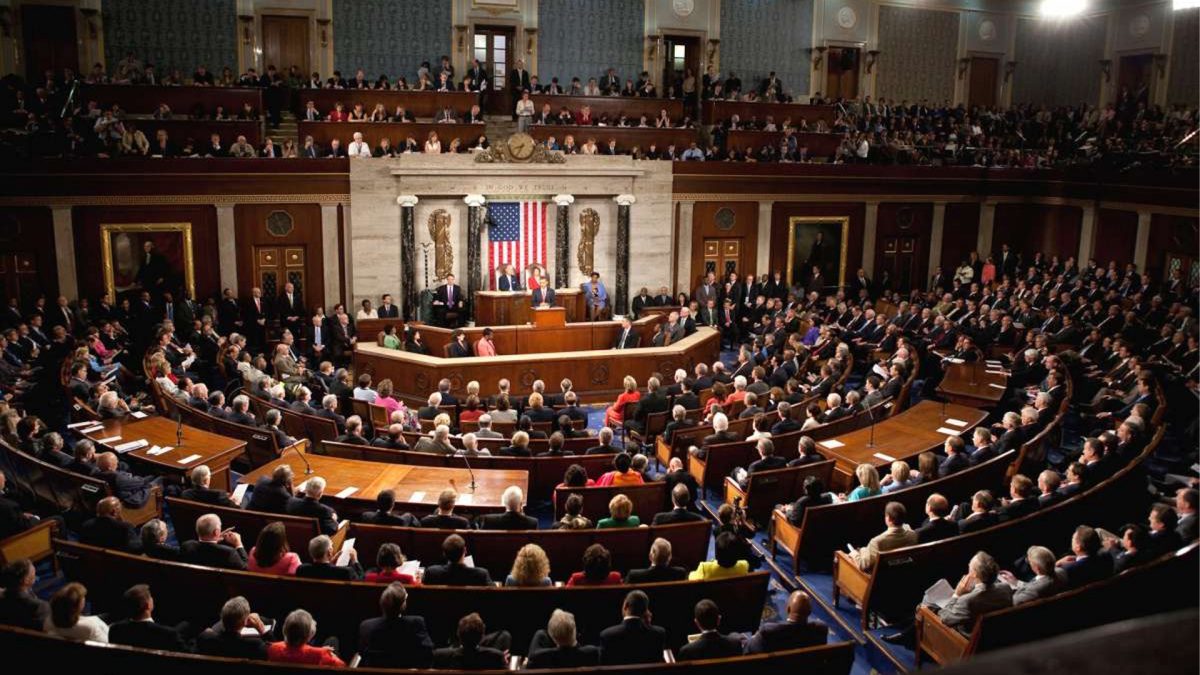)
On 9 November 2025, the Senate achieved a procedural breakthrough by advancing a short-term funding bill, signaling potential relief for federal employees and key public services. While the legislation still required House approval and presidential signature, it marked the first tangible sign of compromise amid a crisis that had gripped the nation for over a month.
Market and Economic Response
The announcement of Senate progress triggered a positive reaction in financial markets, with the NASDAQ, S&P 500, and Dow Jones Industrial Average all recording gains. Investor sentiment improved as traders anticipated the reopening of government operations and the resumption of delayed economic activity. Analysts noted that while the markets were encouraged by the procedural advance, full recovery would depend on swift implementation and resolution of outstanding issues, particularly healthcare subsidy provisions under the Affordable Care Act (ACA).
Human Impact and Public Reaction
Federal employees greeted the news with cautious optimism. Many expressed relief that legislative action was underway but remained wary, understanding that political negotiations could still collapse at any stage. Citizens reliant on government services also felt a glimmer of hope, particularly those affected by delayed benefits or restricted access to public resources.
Political Dynamics and Negotiation Strategies
The measure passed thanks to bipartisan cooperation, with several moderate Democrats joining Republicans to achieve the procedural threshold. The compromise reflected careful horse-trading, balancing immediate funding needs with future debates over contentious policy areas. Political analysts noted that this approach demonstrates the complex interplay of governance, public pressure, and strategic negotiation in U.S. politics.
10 November 2025 – Approaching Resolution Amid Lingering Fallout
Headline: Government Shutdown Nears Historic End; Economic and Social Impacts Persist
By 10 November 2025, the Senate’s advancement of the funding bill generated cautious optimism across the nation. However, the shutdown, which had reached day 40, had already caused lasting social and economic disruption. Federal employees continued to grapple with unpaid workweeks, while the aviation sector faced delayed flights and disrupted schedules.
Economic Consequences
Economists emphasized that the prolonged closure had inflicted both immediate and potential long-term economic damage. Small businesses dependent on federal contracts experienced reduced revenue streams, while consumer confidence declined due to uncertainty regarding government operations. The aviation sector alone faced estimated losses exceeding $1 billion per week as flight cancellations disrupted travel and holiday planning.
Social Implications
The shutdown’s impact extended into social welfare programs, particularly SNAP (Supplemental Nutrition Assistance Program) benefits. Millions of Americans relying on federal assistance faced interruptions in access to food and essential services. Local food banks reported surges in demand, highlighting the humanitarian cost of political impasse. Mental health experts warned that prolonged stress among federal employees could lead to long-term workforce burnout and diminished productivity.
Political Analysis
While the Senate’s action offered a path toward resolution, the political environment remained tense. Republicans and Democrats continued to negotiate over the remaining policy issues, including healthcare and budget allocations. Public opinion indicated growing frustration, with surveys suggesting that a majority of Americans wanted immediate bipartisan action, even if it meant temporary compromises on contentious issues.
Looking Forward
The coming days were critical. If the House approved the Senate measure and the President signed it, federal employees would begin receiving overdue paychecks, and government agencies could resume operations. However, the backlog of work, delayed inspections, and economic disruptions would take weeks, if not months, to fully address. Analysts cautioned that while reopening the government would be a significant milestone, restoring public trust and institutional efficiency would require deliberate, sustained effort.
In-Depth Analysis: Themes and Implications
1. Human Impact
The shutdown demonstrated the vulnerability of citizens dependent on government infrastructure. Federal workers, especially those in essential services, faced unpaid labor, financial instability, and mental health stress. Families reliant on federal programs, including food aid and healthcare services, confronted uncertainty and growing insecurity.
2. Economic Ripples
The shutdown affected multiple sectors:
-
Aviation: Flight reductions disrupted travel and logistics, affecting holiday season plans.
-
Small Businesses: Those depending on federal contracts faced revenue shortfalls and delayed projects.
-
Consumer Spending: Uncertainty and unpaid wages reduced household expenditures, slowing economic activity.
3. Governance and Political Strategy
The prolonged shutdown illustrated how partisan gridlock can undermine public confidence and disrupt institutional effectiveness. The eventual Senate advancement of the bill demonstrated that compromise is possible but requires careful negotiation, highlighting the fragility of U.S. legislative processes in times of crisis.
4. Social and Humanitarian Considerations
Programs like SNAP revealed the human cost of political stalemates. Millions of citizens faced food insecurity, while emergency relief organizations struggled to fill gaps. Legal interventions and court rulings occasionally alleviated immediate crises but could not substitute for comprehensive governmental funding.
5. Lessons Learned
-
Importance of bipartisanship: Legislative deadlock can have far-reaching consequences for both economy and society.
-
Critical infrastructure stress: Aviation and federal operations underscore vulnerabilities that arise from prolonged staffing and funding disruptions.
-
Public trust erosion: Extended political stalemates decrease citizen confidence in government efficiency and fairness.
Conclusion
Between 8 and 10 November 2025, the United States faced one of the most challenging periods in recent memory. The government shutdown, compounded by flight reductions, delayed benefits, and economic disruptions, had a tangible human and economic cost.
The Senate’s advancement of a funding measure offered hope for resolution, but uncertainty lingered. Federal employees awaited overdue pay, social programs remained stretched, and businesses continued to adapt to disruptions. The events of these three days highlight the intricate interplay between politics, public services, economy, and citizen well-being.
As the nation looked toward the possibility of reopening, the broader lessons were clear: effective governance requires collaboration, foresight, and consideration of human impact, and the cost of political impasse is felt not just in Washington, D.C., but across the country.
Also Read: Nov 4–7, 2025: Major U.S. News & Headlines – Today USA News

[…] Also Read: November 8–10, 2025: Major U.S. Headlines – Today USA News […]