

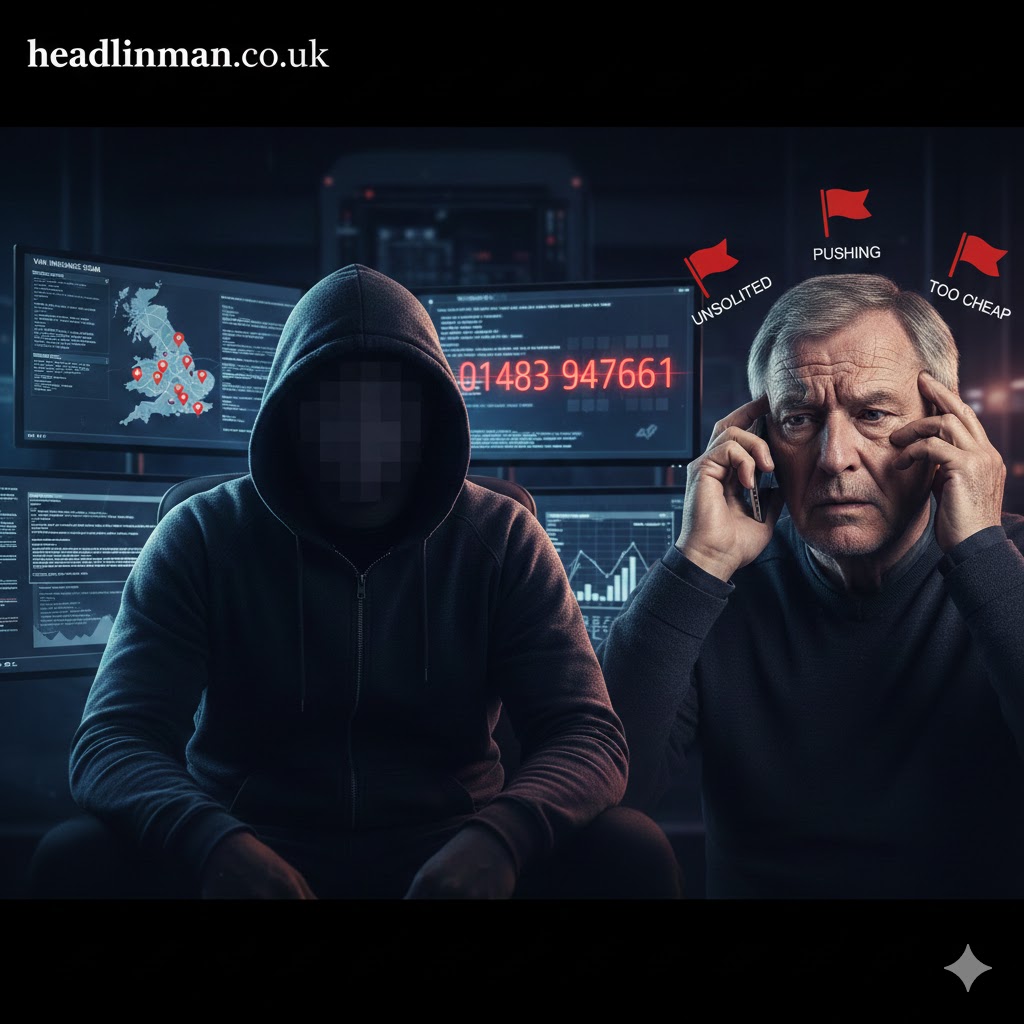
Understanding the Threat Behind This Guildford Number
In today’s connected world, our phones have become both a blessing and a curse. While they keep us connected to loved ones and important services, they’ve also become a primary tool for scammers looking to exploit unsuspecting victims. One number that has been causing significant distress to people across the United Kingdom is 01483 947661.
If you’ve received a call from this number, you’re not alone. Thousands of people have reported experiencing unwanted, aggressive, and often deceptive calls from this particular line. This comprehensive guide will help you understand what’s really happening when this number appears on your screen, why you should be cautious, and most importantly, how you can protect yourself.
Quick Info 01483 947661
| Point | Quick Info |
|---|---|
| Number | 01483 947661 (Guildford) |
| Issue | Repeated scam calls |
| Scam Type | Van insurance fraud |
| Call Pattern | Multiple calls/day, silent calls |
| Caller | Scripted, evasive, unclear company |
| Goal | Collect personal & financial info |
| Data Source | Online forms, comparison sites |
| Risk of Answering | Confirms active number, more calls |
| Financial Risk | Fake quotes, deposits lost, identity theft |
| Red Flags | Unsolicited, pushy, vague info, too cheap |
| Immediate Action | Don’t answer, block, report |
| If Info Shared | Contact bank, monitor credit, change passwords |
| Long-term Protection | TPS, call-block apps, limit info sharing |
| Legal Rights | GDPR: right to know, erase, object |
| Who’s Targeted | Online insurance shoppers, vulnerable people |
| Societal Impact | Trust loss, emotional & financial costs |
| Verify Companies | FCA register, official contact numbers |
| Business Tip | Train staff, avoid sharing info, use trusted brokers |
| Scam Tech | Number spoofing, auto-dialing, data mining |
| Safe Practice | Never share info, verify first |
What Makes 01483 947661 So Problematic?
The phone number 01483 947661 has earned a notorious reputation across multiple call reporting platforms in the UK. With over 2,200 searches and numerous reports from frustrated recipients, this number has been consistently flagged as dangerous and untrustworthy.
The Geographic Connection
This number uses the 01483 area code, which is associated with Guildford in Surrey. While Guildford is a legitimate location with many genuine businesses, scammers often exploit recognizable area codes to make their calls appear more trustworthy. When you see a local-looking number on your screen, you’re naturally more inclined to answer, believing it might be a legitimate local business or service.
The Pattern of Harassment
What makes this particular number especially troubling is the pattern of behavior reported by victims. People aren’t just receiving a single call—they’re being bombarded with multiple attempts throughout the day. Some recipients have reported receiving up to ten calls in a single day, creating an atmosphere of harassment and frustration.
Recipients have described experiencing relentless repeat calls, with some victims blocking and reporting the number after being contacted multiple times. This aggressive calling pattern is a hallmark of scam operations that use automated dialing systems to contact as many people as possible.
The Van Insurance Scam Connection
The most commonly reported association with 01483 947661 is what’s being called the “Van Compare Insurance Scam.” But what exactly does this involve, and why should you care even if you don’t own a van?
How the Scam Typically Works
The callers typically claim they can help save money on van insurance policies and continue pushing their sales pitch even when the recipient expresses disinterest. The callers follow a rigid script and seem unwilling or unable to take “no” for an answer.
The scam usually follows this pattern:
Initial Contact: You receive an unexpected call from 01483 947661. The caller introduces themselves as being from a van insurance comparison service or similar-sounding organization.
The Hook: They claim to have information suggesting you could save substantial money by switching or updating your van insurance policy. Even if you don’t own a van, they might still proceed with their script.
Persistent Pressure: When you express disinterest or ask questions, they become increasingly pushy. Rather than respecting your wishes, they continue talking, often speaking over you.
Data Collection: The ultimate goal appears to be collecting your personal information—name, address, date of birth, vehicle details, and potentially financial information.
The Website Connection
Many victims report that these calls began shortly after they used online comparison websites to search for van insurance quotes. This raises serious concerns about data protection and how these scammers are obtaining contact information.
Some comparison sites have been accused of sharing user data with telemarketers, resulting in a flood of unwanted calls. When you enter your details into certain websites—even legitimate-looking ones—that information may be sold or shared with third parties without your explicit knowledge or meaningful consent.
Real Experiences from Victims
To truly understand the impact of these calls, it’s important to hear from people who’ve actually dealt with them. Across various call reporting platforms, a consistent picture emerges.
Common Complaints
Silent Calls: Some recipients report answering the call only to hear complete silence on the other end. The call then disconnects after several seconds. This is often a tactic used by automated systems to verify that a phone number is active.
Scripted Sales Pitches: Many victims describe callers who stick rigidly to their sales script, showing no interest in actually listening to the recipient’s responses. It’s as if they’re reading from a page and cannot deviate, regardless of what you say.
Lack of Company Information: When questioned about which company they represent or asked for a registration number, callers typically become evasive. Legitimate insurance companies will always provide clear identification and contact details.
Post-Blocking Persistence: Even after blocking the number, some people report receiving calls from similar numbers with slight variations, suggesting the operation uses multiple lines or spoofing technology.
Why You Absolutely Should Not Answer
While curiosity might tempt you to answer and see what they want, engaging with calls from 01483 947661 can actually make your situation worse.
The Risks of Answering
Confirmation of Active Number: Simply answering confirms that your number is active and monitored by a real person. This information is valuable to scammers and may result in your number being added to more call lists.
Potential Voice Recording: Some sophisticated scams record your voice saying “yes” or other affirmative responses. These recordings can potentially be used fraudulently to authorize transactions.
Increased Call Frequency: Engaging with the caller—even to tell them you’re not interested—often results in more calls. The system logs you as someone who answers, making you a priority target.
Risk of Information Leakage: Even if you think you’re being careful, skilled scam callers are trained to extract information through conversation. They might ask seemingly innocent questions that actually provide them with valuable data.
How These Scams Affect You Financially
You might think, “I’m too smart to fall for a scam,” but these operations are surprisingly sophisticated. Even cautious individuals can become victims, and the financial implications can be severe.
Direct Financial Losses
Some van insurance operations have been reported to initially quote attractive prices, then dramatically increase premiums once customers are committed, sometimes adding hundreds of pounds in additional charges. Victims find themselves trapped because they’ve already paid deposits that they can’t recover.
Identity Theft Risks
When you provide personal information to scammers, you’re potentially opening the door to identity theft. Once criminals have collected some of your details, they can continue gathering more information over time, eventually using it for purposes like fraudulent loan applications or pension transfers.
Increased Insurance Premiums for Everyone
Insurance fraud costs the UK industry approximately £1.1 billion annually, and these costs are passed on to honest customers through higher premiums. Every successful scam contributes to rising costs for all consumers.
Recognizing the Red Flags
Understanding how to identify potential scam calls can help protect you before any damage is done. Here are the warning signs that should immediately raise your suspicion.
Communication Red Flags
Unsolicited Contact: Legitimate insurance companies rarely cold-call people they haven’t had previous contact with. Genuine insurance businesses typically don’t reach out through unsolicited calls or social media messages.
Pressure Tactics: Any caller who tries to rush you into making immediate decisions is likely running a scam. Legitimate businesses understand that insurance decisions require thought and comparison.
Requests for Unusual Payment Methods: Be extremely wary of anyone asking for payment via bank transfer, gift cards, cryptocurrency, or other non-standard methods. These unusual payment requests are common tactics used by scammers rather than going through secure payment channels.
Vague Company Information: If the caller can’t or won’t provide a clear company name, registration number, or physical address, that’s a major red flag.
Too Good to Be True Prices: If the quoted price is dramatically lower than other offers you’ve received, be skeptical. Scammers use unrealistically low prices as bait.
Behavioral Red Flags
Won’t Take No for an Answer: Legitimate sales professionals respect when someone declines their offer, but scam callers persist regardless of clear rejection.
Can’t Answer Basic Questions: If you ask specific questions about coverage, policy details, or regulatory compliance and the caller becomes evasive or angry, end the call immediately.
Background Noise Issues: Many scam operations run from crowded call centers, often overseas. If you hear numerous other voices or poor-quality connections, this might indicate a illegitimate operation.
Immediate Actions to Take If You’ve Been Called
If 01483 947661 or a similar suspicious number has already contacted you, here’s exactly what you should do right now.
Step-by-Step Response Plan
Do Not Engage: If you haven’t already answered, let the call go to voicemail. Legitimate callers will leave a message with proper identification and callback information.
Block the Number: Use your phone’s built-in blocking feature to prevent future calls from this specific number. On most smartphones, you can do this directly from your call log.
Install Call-Filtering Apps: Consider downloading apps specifically designed to identify and block scam calls. Applications like Truecaller, Hiya, or the Tellows app can warn you about risky numbers before you answer.
Register with TPS: Sign up for the Telephone Preference Service, which is a free service that allows you to opt out of unsolicited sales and marketing calls. While not foolproof, it does reduce the volume of legitimate marketing calls.
Report the Number: Report scam calls to Action Fraud either through their website or by calling 0300 123 2040. Your report helps authorities track patterns and potentially shut down scam operations.
Inform Your Mobile Provider: Many UK mobile networks offer additional security services that can help block known scam numbers at the network level.
If You’ve Already Shared Information
If you’ve already engaged with the caller and provided personal details, you need to act even more quickly:
Contact Your Bank: If you shared any banking or financial information, contact your bank immediately. They can monitor your accounts for suspicious activity and potentially freeze transactions if necessary.
Credit Reference Agencies: Consider registering with credit reference agencies like Experian, Equifax, or TransUnion to monitor if any financial agreements are being taken out in your name.
Change Passwords: Update passwords on important accounts, especially if you use similar information across multiple platforms.
Monitor Your Credit Report: Keep a close eye on your credit report for several months following the incident. Look for any applications or accounts you didn’t authorize.
Consider Fraud Protection Services: Organizations like Cifas offer fraud prevention membership that can provide additional layers of protection.
Building Long-Term Protection
Beyond addressing immediate threats, you should implement strategies to protect yourself from future scam attempts.
Preventative Measures
Be Cautious with Online Forms: When using comparison websites or requesting quotes online, read the privacy policy carefully. Look for information about how your data will be used and whether it will be shared with third parties.
Use Unique Email Addresses: Consider creating a separate email address specifically for insurance quotes and other services where you expect marketing contact. This helps you identify the source of any subsequent scam attempts.
Limit Information Sharing: Only provide the minimum information necessary when filling out online forms. Be especially cautious about giving out your phone number unless absolutely required.
Enable Two-Factor Authentication: Where possible, use two-factor authentication on important accounts. This adds an extra layer of security even if scammers obtain your password.
Educate Family Members: Ensure that vulnerable family members, especially elderly relatives, are aware of common scam tactics. Older people are often specifically targeted by scammers, so open conversations about these risks can be protective.
Understanding Data Protection Laws
The UK has strong data protection laws under GDPR (General Data Protection Regulation) that govern how companies can use your personal information. Understanding your rights can help you make more informed decisions.
Right to Know: You have the right to ask companies what personal data they hold about you and how they’re using it.
Right to Erasure: In many circumstances, you can request that companies delete your personal information from their systems.
Right to Object: You can object to your data being used for marketing purposes, and companies must respect this request.
If you believe a company has misused your data, leading to scam calls, you can report data protection concerns to the Information Commissioner’s Office (ICO).
What Makes Someone Vulnerable?
Understanding vulnerability factors can help you protect yourself and others more effectively.
Common Vulnerability Factors
Recent Online Activity: People who’ve recently used van insurance comparison websites report receiving calls almost immediately afterward. This timing is no coincidence.
Time Pressure: If you’re in a hurry to find insurance—perhaps because your current policy is about to expire—you might be more likely to make hasty decisions without proper verification.
Financial Stress: When money is tight, the promise of significant savings can cloud judgment. Scammers deliberately target this vulnerability.
Lack of Awareness: People who aren’t aware of current scam tactics are naturally more susceptible. This is why education and awareness are so important.
Social Isolation: Individuals who have limited social connections might be more receptive to extended phone conversations, even from scammers, simply because they’re lonely.
The Broader Impact on UK Society
This isn’t just about individual victims—phone scams like the one associated with 01483 947661 have wider implications for British society.
Erosion of Trust
When scammers impersonate legitimate businesses, they damage trust in genuine companies and services. This makes people hesitant to answer any calls, even from legitimate sources.
Waste of Resources
The insurance industry spends enormous resources combating fraud, resources that could otherwise be used to improve services or reduce premiums. Law enforcement and regulatory bodies also divert valuable time and money to investigating these crimes.
Psychological Impact
Victims of scams often experience significant emotional distress, including feelings of shame, anger, and violation. These psychological impacts can be long-lasting and affect mental health and wellbeing.
Economic Consequences
Beyond individual losses, scam operations represent a drain on the UK economy. Money stolen by scammers often flows out of the country, and the overall climate of fraud increases costs for everyone through higher insurance premiums and security measures.
How to Verify Legitimate Insurance Companies
Not all insurance calls are scams, so how can you distinguish between genuine companies and fraudsters?
Verification Steps
Use Official Channels: If someone calls claiming to be from an insurance company, politely end the call and contact the company directly using contact information from their official website or your policy documents.
Check Registration: Legitimate insurance companies and brokers must be registered with the Financial Conduct Authority (FCA). You can verify this using the FCA’s Financial Services Register online.
Look for Professional Memberships: Genuine insurance brokers are often members of the British Insurance Brokers’ Association (BIBA), which maintains standards for its members.
Verify Through Multiple Sources: Don’t rely solely on information the caller provides. Cross-reference company names and details through independent sources.
Trust Your Instincts: If something feels wrong or suspicious about a call, trust that instinct and investigate further before providing any information.
Special Considerations for Business Owners
If you own a van for business purposes, you might be particularly targeted by these scams because you’re actively in the market for van insurance.
Protecting Your Business
Designated Communication Channels: Establish specific channels for insurance-related communications within your business. Don’t allow important decisions to be made based on unsolicited calls.
Staff Training: Ensure that employees who might answer business phones are trained to recognize scam attempts and know the proper protocols for handling suspicious calls.
Verification Procedures: Implement mandatory verification procedures before anyone in your organization can share business information over the phone.
Regular Policy Reviews: Work with a trusted insurance broker rather than responding to cold calls. Regular scheduled reviews with a legitimate professional are safer than dealing with unsolicited offers.
Technology’s Role in the Problem
Modern technology has made it easier than ever for scammers to operate, but it also provides tools for protection.
How Scammers Use Technology
Number Spoofing: Scammers can make calls appear to come from local numbers, even when they’re calling from anywhere in the world. The 01483 area code on your display might not accurately reflect the call’s origin.
Automated Dialing: Robocalling systems can dial thousands of numbers per hour, maximizing the scammers’ reach with minimal effort.
Voice Technology: Some sophisticated operations use voice manipulation technology to sound more convincing or to disguise their location.
Data Mining: Scammers harvest personal information from data breaches, social media, and poorly secured websites to make their approaches more targeted and convincing.
Protective Technologies
Fortunately, technology also provides defense mechanisms. Modern smartphones include increasingly sophisticated spam detection and blocking features. Network providers are implementing systems to identify and block scam calls before they reach you.
Apps specifically designed to combat phone scams use crowdsourced data from millions of users to identify and warn about suspicious numbers. When someone reports a scam number, that information helps protect other users from the same threat.
Legal Framework and Your Rights
Understanding your legal protections can empower you to take appropriate action when targeted by scammers.
UK Consumer Protection Laws
Under UK law, you have robust protections against fraudulent practices. The Consumer Protection from Unfair Trading Regulations prohibit aggressive sales tactics and misleading commercial practices.
The Privacy and Electronic Communications Regulations require companies to obtain your consent before making marketing calls, with limited exceptions. Companies must also respect your wishes if you ask to be removed from their calling lists.
If a company violates these regulations, they can face significant fines and penalties. However, many scam operations deliberately operate outside the law and have no intention of complying with regulations.
Reporting Violations
You can file complaints about data misuse with the Information Commissioner’s Office, which has the authority to investigate and take enforcement action against companies that violate data protection laws.
For criminal fraud, Action Fraud serves as the UK’s national reporting center. While they may not be able to recover lost funds in every case, reports help law enforcement identify patterns and potentially shut down scam operations.
Conclusion: Staying Safe in a Connected World
The phone number 01483 947661 represents just one example of a much larger problem facing UK consumers. While this specific number has been widely reported and flagged, scammers constantly adapt, using new numbers and evolving their tactics.
Your best defense is a combination of awareness, caution, and proactive protection measures. By understanding how these scams work, recognizing the red flags, and taking appropriate action when targeted, you can significantly reduce your risk of becoming a victim.
Remember these key principles:
- Never feel pressured to make immediate decisions during unsolicited calls
- Verify independently before providing any personal or financial information
- Report suspicious activity to help protect others
- Use available technology to filter and block unwanted calls
- Trust your instincts when something feels wrong
The criminals behind numbers like 01483 947661 rely on people letting their guard down for just a moment. Stay informed, stay skeptical of unsolicited offers, and don’t hesitate to seek advice if you’re unsure about a call’s legitimacy.
By working together as a community—sharing information, reporting scams, and supporting vulnerable individuals—we can make it harder for these operations to succeed and create a safer environment for everyone.
Also Read More Numbers Blog: 08001836403

[…] Also Read More Numbers Blog: 01483 947661 […]