

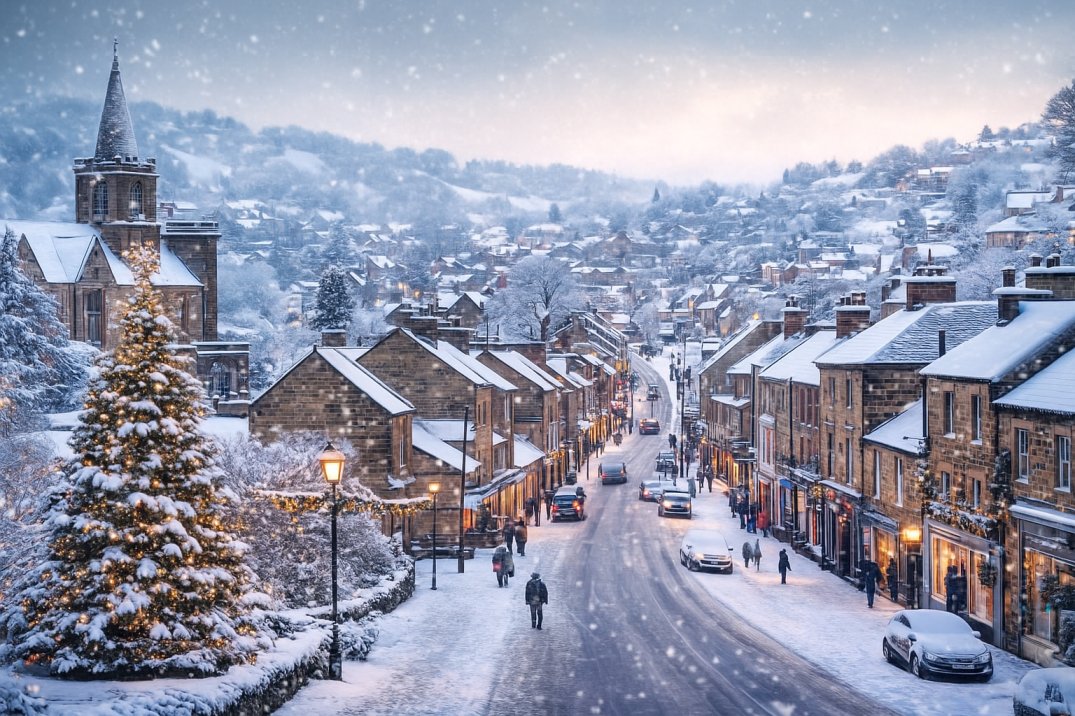
As December unfolds, residents across the United Kingdom are keeping a close eye on the skies. Meteorologists have issued early warnings as the UK braced for significant snowstorm bringing potential white Christmas, a rare weather event that could bring a magical festive layer of snow across many regions. While the idea of a snow-covered Christmas evokes nostalgic holiday charm, it also carries serious implications for travel, shopping, and daily life. This article explores the full story behind the forecast, the science at play, regional impacts, historical context, practical preparation, and ways to enjoy a snow-covered Christmas safely.
Why the UK Is Bracing for a Snowstorm
The forecast that the UK braced for significant snowstorm bringing potential white Christmas is rooted in complex meteorological conditions. Several key factors are aligning to increase the likelihood of snow across large parts of the country:
Arctic Air Mass
A cold Arctic air mass is moving southwards from northern Europe, bringing frigid temperatures into the UK. When this cold air interacts with the milder, moist air flowing from the Atlantic, the conditions become favorable for snowfall. This is particularly true for inland regions and areas of higher elevation, where temperatures drop below freezing more rapidly.
Polar Vortex Weakening
The polar vortex, a high-altitude system of rotating cold air, has weakened recently. This allows Arctic air to spill southwards into northern Europe, including the UK. Historically, polar vortex disruptions are linked to prolonged cold spells and increased likelihood of snowfall, which is why forecasters are taking the current situation seriously.
Teleconnections and Oceanic Patterns
Large-scale atmospheric phenomena, known as teleconnections, play a crucial role in UK winter weather. Currently, borderline La Niña conditions in the Pacific are influencing atmospheric patterns. While the link between La Niña and UK snow is not absolute, historical data suggests it can promote cold starts to the winter season. Other oceanic features, like the Atlantic’s pressure systems and “warm blobs” in the Pacific, also affect snowfall potential.
Ground and Seasonal Conditions
Ground temperatures in northern and central regions are already approaching freezing, which increases the likelihood that precipitation will fall as snow rather than rain. Combined with shorter daylight hours and lower sun angles, this creates ideal conditions for a winter storm capable of delivering a white Christmas.
Regions Likely to Be Affected
The UK braced for significant snowstorm bringing potential white Christmas will not see uniform snowfall. Forecasters have identified areas most at risk:
Northern UK
-
Scotland: Cities like Inverness, Aberdeen, and Dundee are expected to see the earliest and heaviest snow. The Scottish Highlands could accumulate 15–25 cm, with higher elevations possibly exceeding 30 cm.
-
Northern England: Towns such as Newcastle, Durham, and Carlisle are likely to see 10–20 cm, particularly in elevated regions like the Pennines.
Midlands
-
Central England, including Birmingham, Nottingham, and Derby, may experience 2–8 cm of snow. Even light snow in these urban areas can disrupt travel and local services due to less frequent snow management operations.
Southern England & Wales
-
Southern England, including Oxford, Reading, and London outskirts, may see flurries or light snowfall, with limited accumulation.
-
Wales could experience patchy snow, particularly in north Wales and higher-altitude areas, though southern regions may remain largely snow-free.
Visualize this: Imagine waking up on Christmas morning in the Scottish Highlands to a thick blanket of snow, while in London, delicate snowflakes dust the streets—a picture-perfect white Christmas scenario in northern regions and a hint of festive magic further south.
Travel Disruptions and Holiday Planning
With the UK braced for significant snowstorm bringing potential white Christmas, holiday travel will require extra caution. Here’s what residents should anticipate:
Road Travel
-
Slippery roads, especially in rural and elevated areas, will make driving hazardous.
-
Gritters will be deployed, but snow falling rapidly can still cause delays and temporary blockages.
-
Drivers should reduce speed, maintain distance, and plan extra time for journeys.
Air Travel
-
Airports including Heathrow, Gatwick, Manchester, and Edinburgh may face flight delays or cancellations due to icy runways and low visibility.
-
Passengers are advised to check with airlines and allow extra time for airport procedures.
Rail and Public Transport
-
Snow and ice can disrupt rail signals and overhead lines, leading to delays or cancellations.
-
Bus and tram services may also face interruptions, particularly in hilly or rural regions.
Retail and Deliveries
-
Snow may encourage last-minute shopping for winter gear, but delivery delays are likely, potentially impacting festive orders.
-
Retailers may need to adjust staffing and logistics to cope with weather-related disruptions.
Historical Context: White Christmases in the UK
Understanding past trends helps put the current forecast in perspective:
-
Official Definition: A white Christmas is officially recorded if at least one snowflake falls at any Met Office station on December 25th. Snow lying on the ground alone does not count.
-
Frequency: Over half of all UK Christmas Days have seen snow recorded somewhere, but widespread snow on the ground is rare.
-
Last Widespread White Christmas: 2010, with snow on the ground at 83% of monitoring stations.
-
Regional Trends: Northern and eastern regions are more likely to experience snow, while southern England sees it less frequently.
-
Climate Change: Rising average temperatures and wetter winters have reduced the probability of snow settling, particularly in southern areas.
Probabilities and Forecast Accuracy
Meteorologists note that precise snowfall predictions become more reliable around five days before Christmas. Based on current models:
-
Northern UK: 50–70% chance of snow; likely significant accumulation in highlands and hills.
-
Midlands: 30–50% chance; light to moderate snowfall expected.
-
Southern UK: 10–25% chance; mainly flurries or patchy snow.
While the UK braced for significant snowstorm bringing potential white Christmas appears increasingly likely, conditions could change as the storm approaches.
How to Prepare for a Snow-Covered Christmas
Residents can take several steps to ensure safety and comfort during the snowstorm:
Home Preparation
-
Stock essentials such as food, medicine, and heating supplies.
-
Check insulation and heating systems.
-
Prepare for potential power outages with candles, torches, and battery backups.
Vehicle Preparation
-
Ensure cars have antifreeze, snow brushes, blankets, torches, and snacks.
-
Check tires and fuel levels.
-
Avoid unnecessary travel during heavy snowfall.
Community and Neighborly Support
-
Check on elderly or vulnerable neighbors to ensure they are safe and well-equipped.
-
Offer help with snow clearing or emergency supplies if needed.
Travel Advice
-
Avoid peak snowfall periods.
-
Use public transportation when possible.
-
Carry emergency kits if driving, and monitor local travel updates.
The Joy and Magic of a White Christmas
Despite the challenges, snow brings unparalleled festive charm:
-
Outdoor Fun: Sledging, snowball fights, and snowman-building for children.
-
Scenic Beauty: Snow transforms landscapes, offering picturesque views for photography and social media.
-
Tourism and Hospitality: Northern hotels, inns, and ski resorts often see increased bookings when snowfall is forecast.
-
Atmosphere: A snowy garden view, cozy fireplaces, and festive drinks enhance the traditional holiday experience.
A white Christmas isn’t just about snow—it’s about creating memorable festive moments with family and friends.
FAQs: About: UK Braced For Significant Snowstorm Bringing Potential White Christmas
1. Will all parts of the UK see snow?
No. Northern regions and higher elevations are most likely to experience significant snowfall, while southern England may only see light flurries.
2. How accurate is this forecast?
Forecasts become more reliable approximately five days before Christmas. Current models indicate a high probability of snow in northern and central areas.
3. Could schools and workplaces close?
Closures depend on snow severity. Rural areas may be more affected, but urban centers often implement contingency plans.
4. How should I travel safely during the snowstorm?
Use public transport, avoid peak snow hours, and carry emergency supplies if driving. Maintain a safe distance on slippery roads.
5. How can I enjoy the snow safely at home?
Dress in layers, avoid icy patches, supervise outdoor activities, and ensure heating systems are functioning.
Conclusion
With the UK braced for significant snowstorm bringing potential white Christmas, residents face a mix of excitement and caution. From heavy snow in northern regions to light flurries in the south, the forecast suggests a chance for festive magic combined with travel and safety challenges. By staying informed, preparing homes and vehicles, and embracing the seasonal charm of snow, families can enjoy a memorable holiday season. Whether building snowmen, sledging, or enjoying a cozy winter evening, this snowstorm could deliver a truly special white Christmas in 2025.
Also Read Another Topic: Dr Kevin Sadati Bad Reviews & Procedures
